Where It All Began
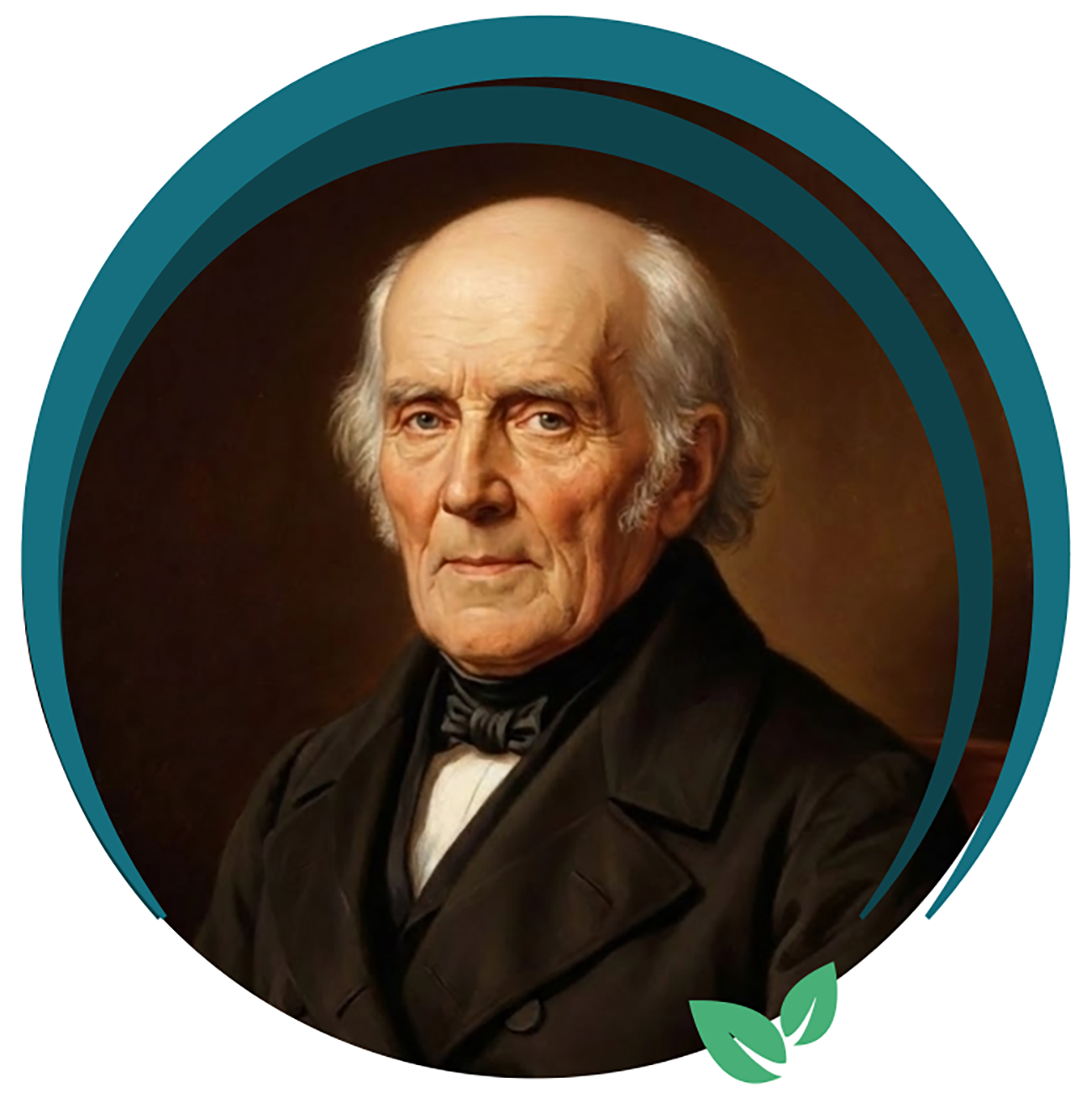
Homeopathy was founded in the late 18th century by Dr Samuel Hahnemann, a German physician who sought a gentler, more individualised approach to medicine.
Disillusioned with many of the harsh and invasive medical treatments of his time, Hahnemann developed the principle ‘Similia Similibus Curentur’. This principle in simple terms, means “like cures like”, the idea that a substance which causes symptoms in a healthy person may, when given in a highly diluted form, help support someone experiencing similar symptoms.
In 1796, he published his first work outlining this approach, and by the early 1800s, homeopathy had grown into a recognised system of medicine across parts of Europe and beyond.